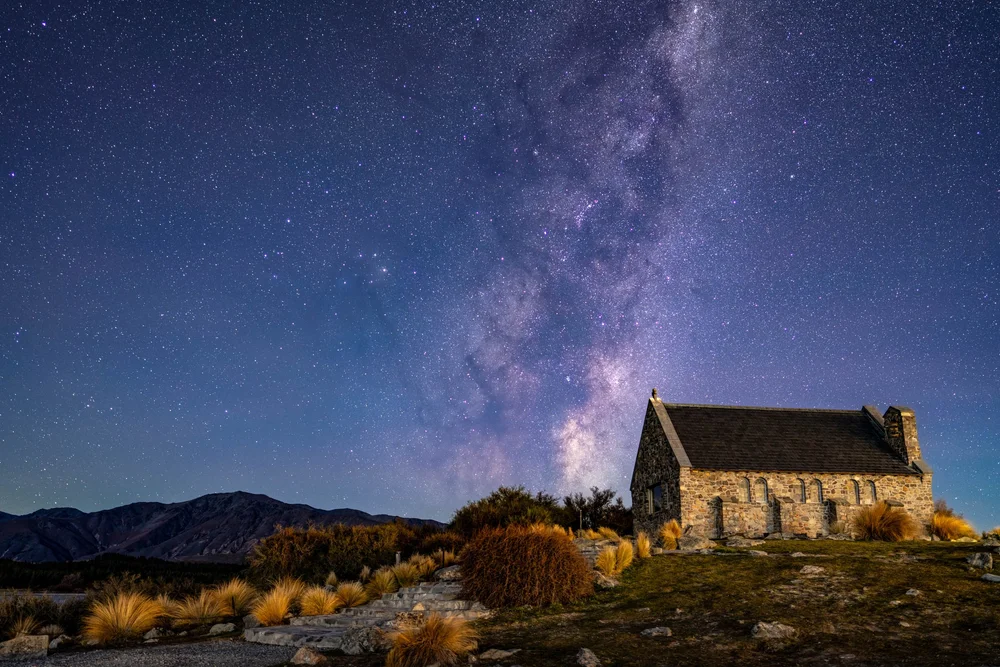
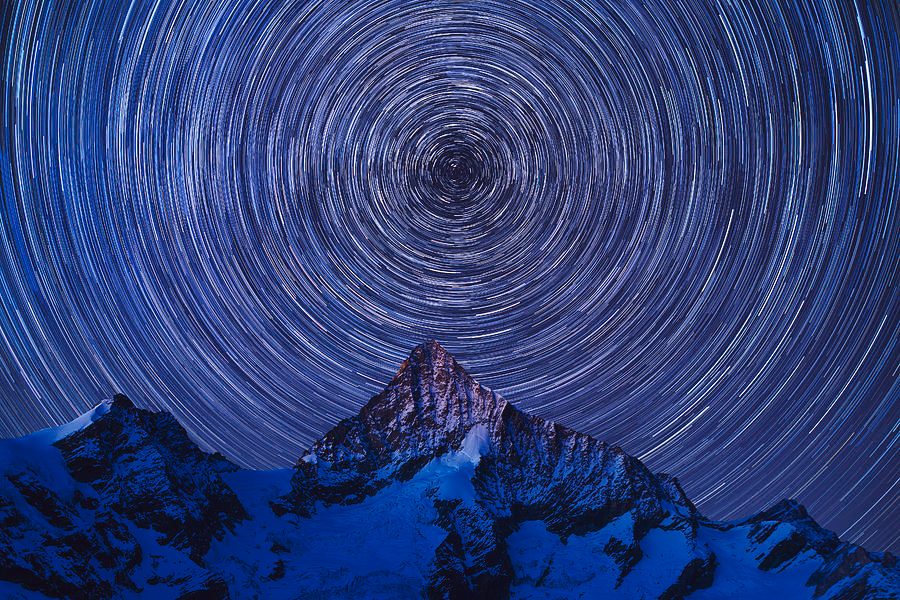
1 hr 15 min
Astronomer-Led Stargazing in Aoraki Dark Sky Reserve
Journey through the southern cosmos with a professional astronomer in one of Earth's premier stargazing sites
Reserve
Where the Milky Way arcs unbroken, and constellations reveal themselves in silence
Hand-picked by our editors — only the best 2 stargazing experiences from 7 reviewed
Verified partners for Twizel Stargazing tours, free cancellation where available, and instant confirmation on every booking.
1 hr 15 min
Journey through the southern cosmos with a professional astronomer in one of Earth's premier stargazing sites
Reserve
1 hr 30 min
Journey into one of Earth's darkest skies with a professional astronomer and powerful telescopes
Reserve
1 hr 15 min
Journey into one of Earth's darkest skies with powerful telescopes and expert guides at a world-class dark sky reserve.
ReservePrices from verified partners. Availability updates in real time at checkout. Free cancellation policies apply where shown.
Every Twizel Stargazing tour side-by-side — duration, what's included, how you redeem.
| Experience | Duration | Rating | Guide | Small group | Free cancel. | Price | |
|---|---|---|---|---|---|---|---|
|
Standard Entry Most popular
Astronomer-Led Stargazing in Aoraki Dark Sky Reserve
|
1 hr 15 min | ★ 5.0 | ✓ | — | ✓ | €59 | Book → |
|
Standard Entry
Lake Tekapo Stargazing in Dark Sky Reserve
|
1 hr 30 min | ★ 4.9 | ✓ | — | ✓ | €65 | Book → |
|
Standard Entry
Alpine Stargazing Experience at Lake Tekapo
|
1 hr 15 min | ★ 4.6 | ✓ | ✓ | ✓ | €59 | Book → |
All prices from verified partners. Availability and exact terms confirmed at checkout.
They complement each other, but most visitors who do both find the private twizel stargazing experience more intimate while the Lake Tekapo tours provide a grander cosmic exploration.
| Feature | Top pick Twizel Stargazing | Dark Sky Project |
|---|---|---|
Experience Type |
Private guided astronomy | Commercial observatory tours |
Group Size |
Small group focus | Large group capacity |
Primary Location |
Twizel | Lake Tekapo |
Travel Distance from Twizel |
0 km | 45–50 km |
Booking Requirements |
Required in advance | Required in advance |
Telescope Access |
Guided observatory sessions | Professional summit observatory access |
| See tickets → |
Verdict: Choose these twizel stargazing tours for a secluded atmosphere or select the Dark Sky Project if you prefer large-scale astronomical infrastructure and twizel stargazing tickets are unavailable.
Choose your ticket, select your date, and reserve in under two minutes. Secure checkout handled by our verified partner.
Instant confirmation by email, with a mobile voucher you can save offline. No printing, no queuing at a collection desk.
Arrive at the entrance, show your voucher on your phone, and walk in. Most tickets include priority or skip-the-line access.
Practical details for Twizel Stargazing tickets straight from our verified partners — hours, access, rules, and how to get there.
Dress in warm layers, as temperatures drop significantly at night. Sturdy, closed-toe footwear is recommended for walking on uneven ground during your twizel stargazing experience.
Keep belongings minimal. Avoid bringing items that produce light, as dark adaptation is essential for twizel stargazing.
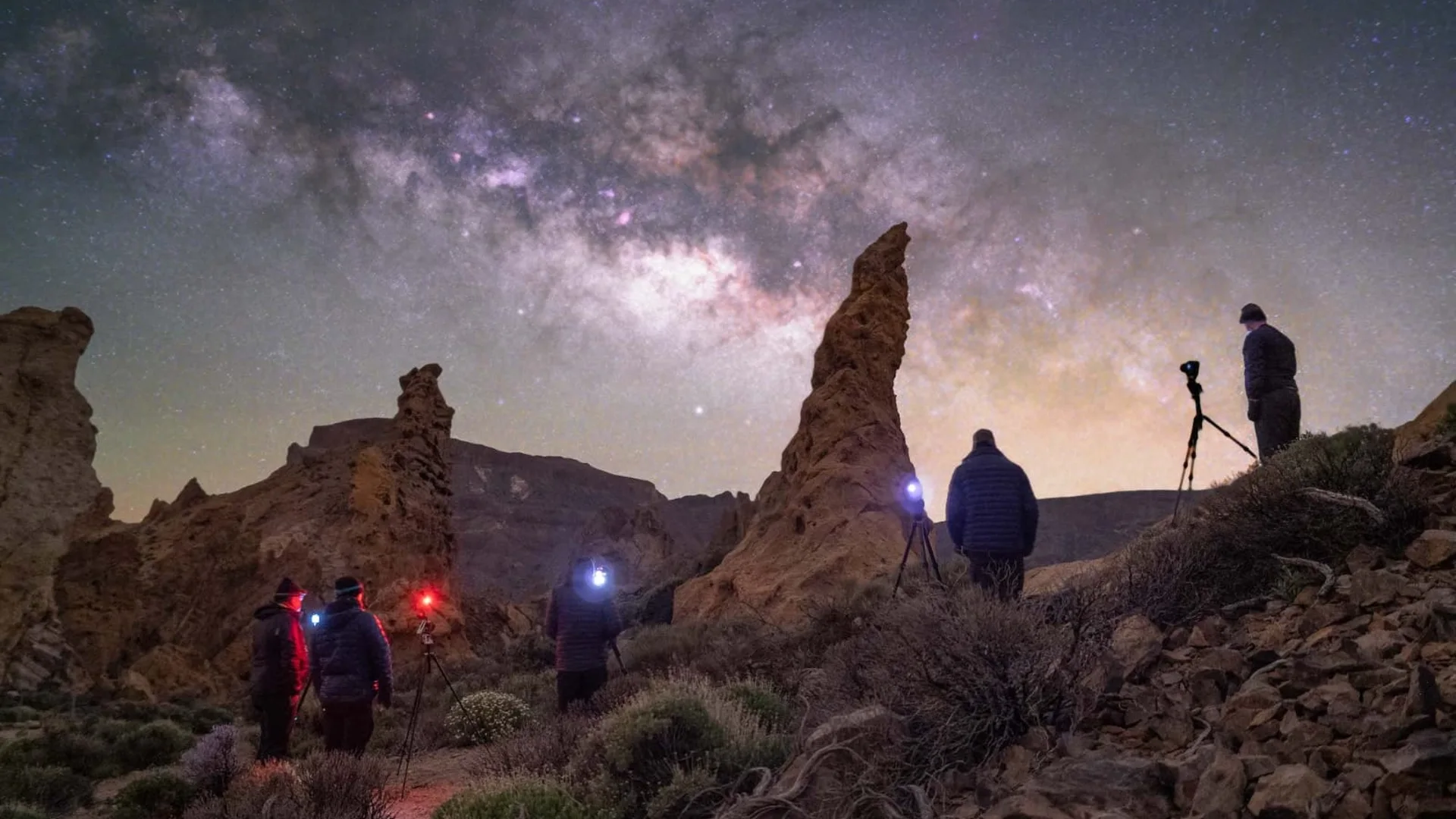
Astrophotography is encouraged during your twizel stargazing session. Complimentary digital photos may be provided depending on weather conditions.
Tours are conducted on private farmland; please contact the operator in advance to discuss specific mobility requirements for your twizel stargazing activity.
Mobile phones are permitted. Keep ringer off inside exhibition spaces.
The experience is family-friendly, though generally recommended for children aged 6 and up. Infants may be welcome; please contact the operator before booking your twizel stargazing tour.
Food and drink are generally not provided. Guests are welcome to bring a thermos to stay warm during the twizel stargazing duration.
Pets are not allowed, with the exception of service animals with appropriate documentation.
Last entry is typically 1 hour before closing. Check the specific ticket for timing.
Best time to go, insider tips, nearby landmarks, and the cancellation fine print — flip through to skim what matters to you.
Flexible, no hidden fees.
Reschedule your booking up to 24 hours before the start time of your experience. A 100% cancellation fee applies for any changes within 24 hours of your twizel stargazing tour.
Twizel sits at the southern edge of the Aoraki Mackenzie International Dark Sky Reserve, a 4,300-square-kilometre zone recognised in 2012 as the largest dark sky reserve in the Southern Hemisphere and only the fourth in the world.
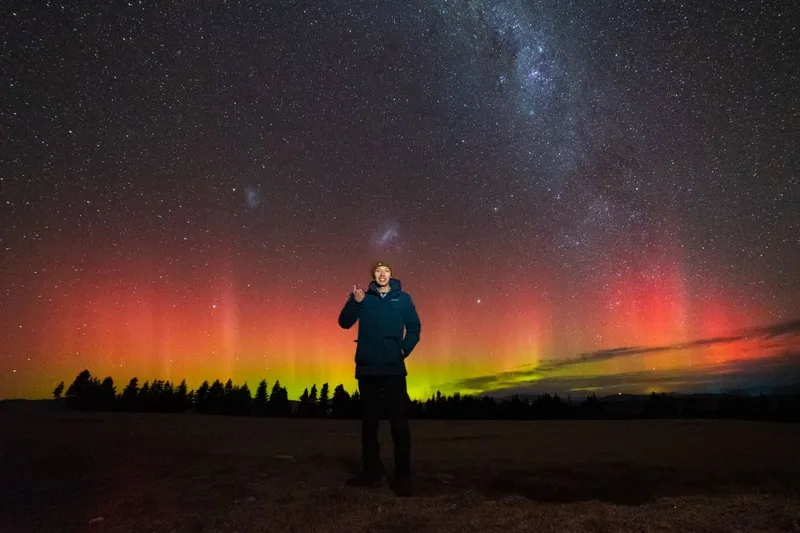
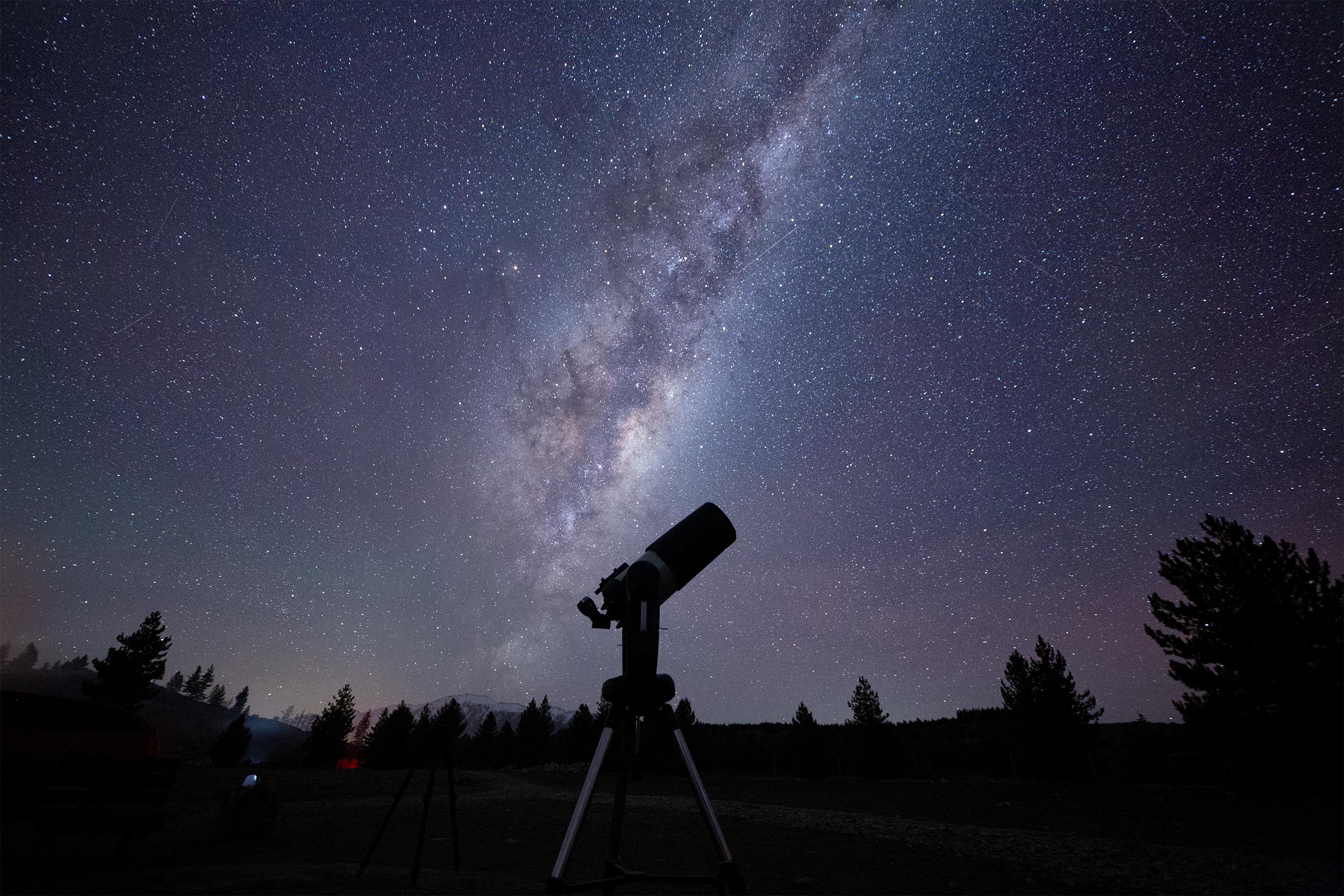
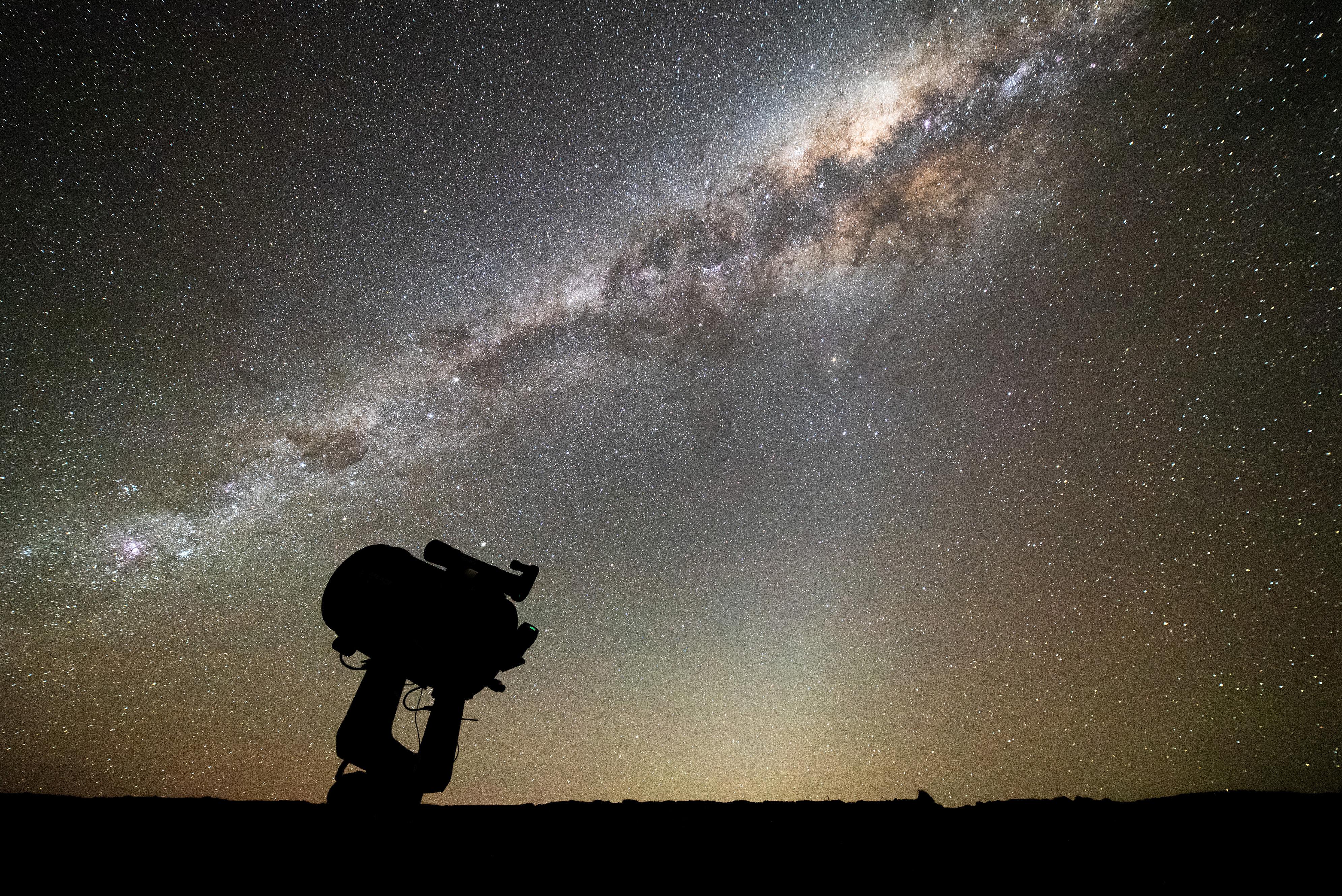
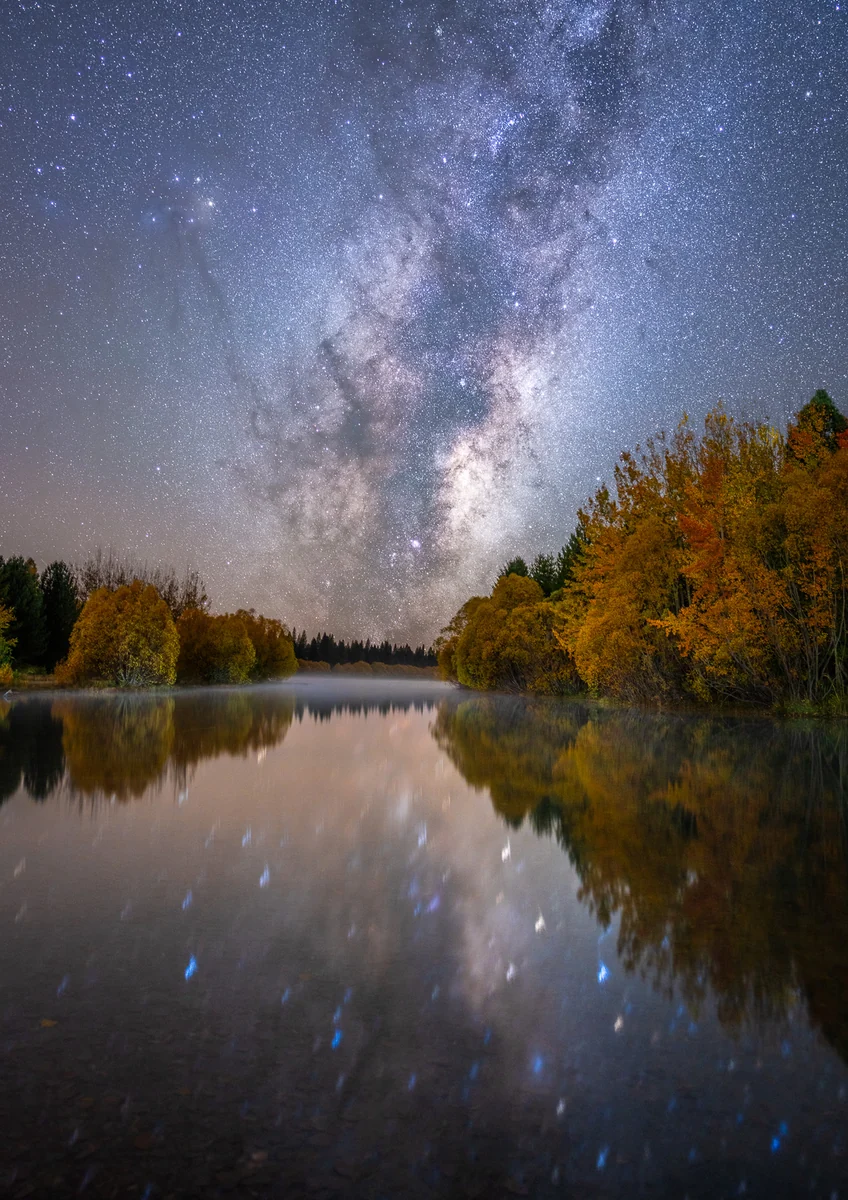
The reserve enforces strict light-pollution protocols across the Mackenzie Basin, a glacial valley where cloud cover averages fewer than sixty nights per year and atmospheric humidity remains low enough that stars appear sharp to the naked eye. The Milky Way's galactic core rises in winter months, spanning horizon to horizon with a clarity that photometers record at Bortle Class 2—the second-darkest tier on the light-pollution scale.
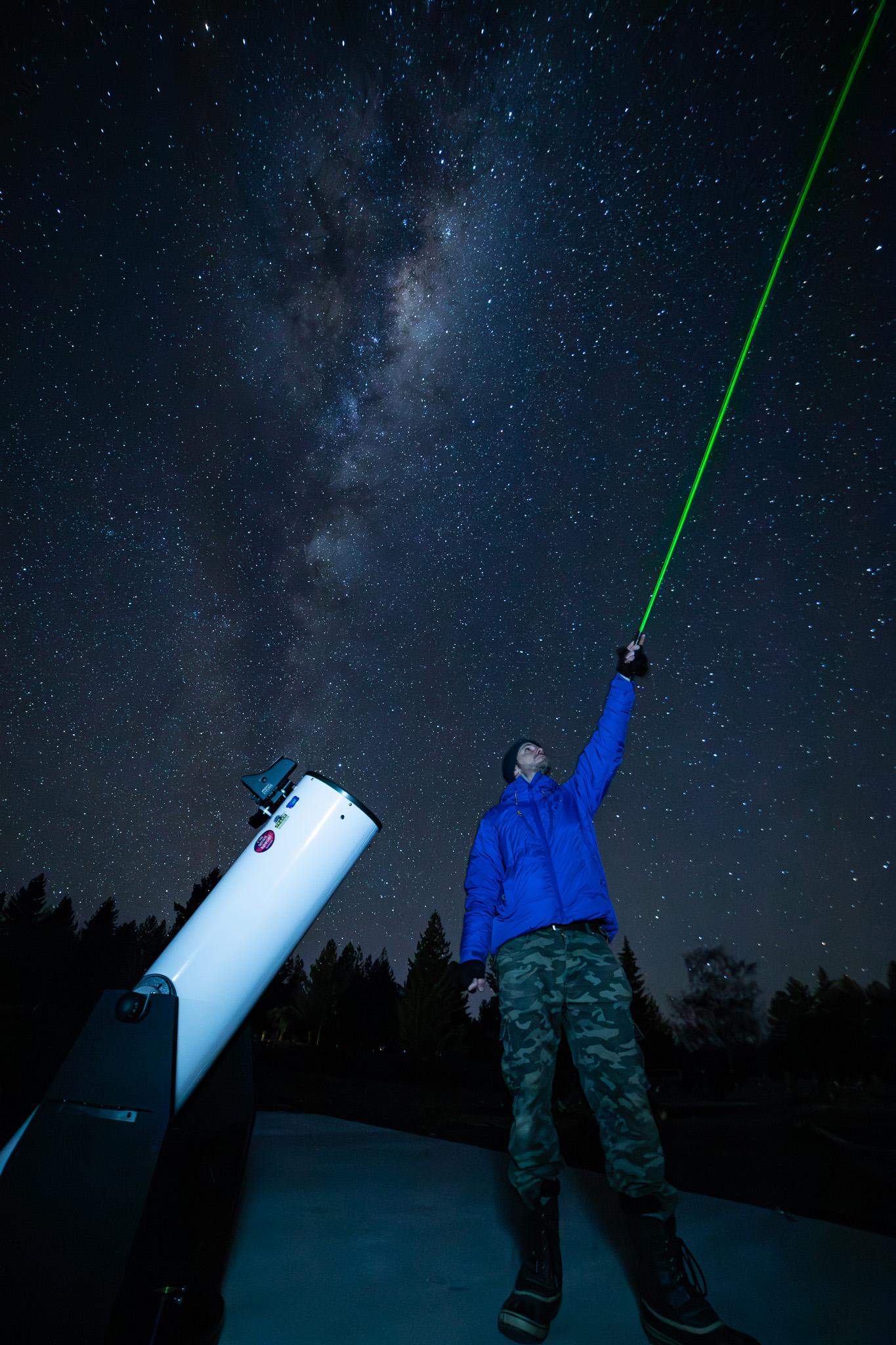
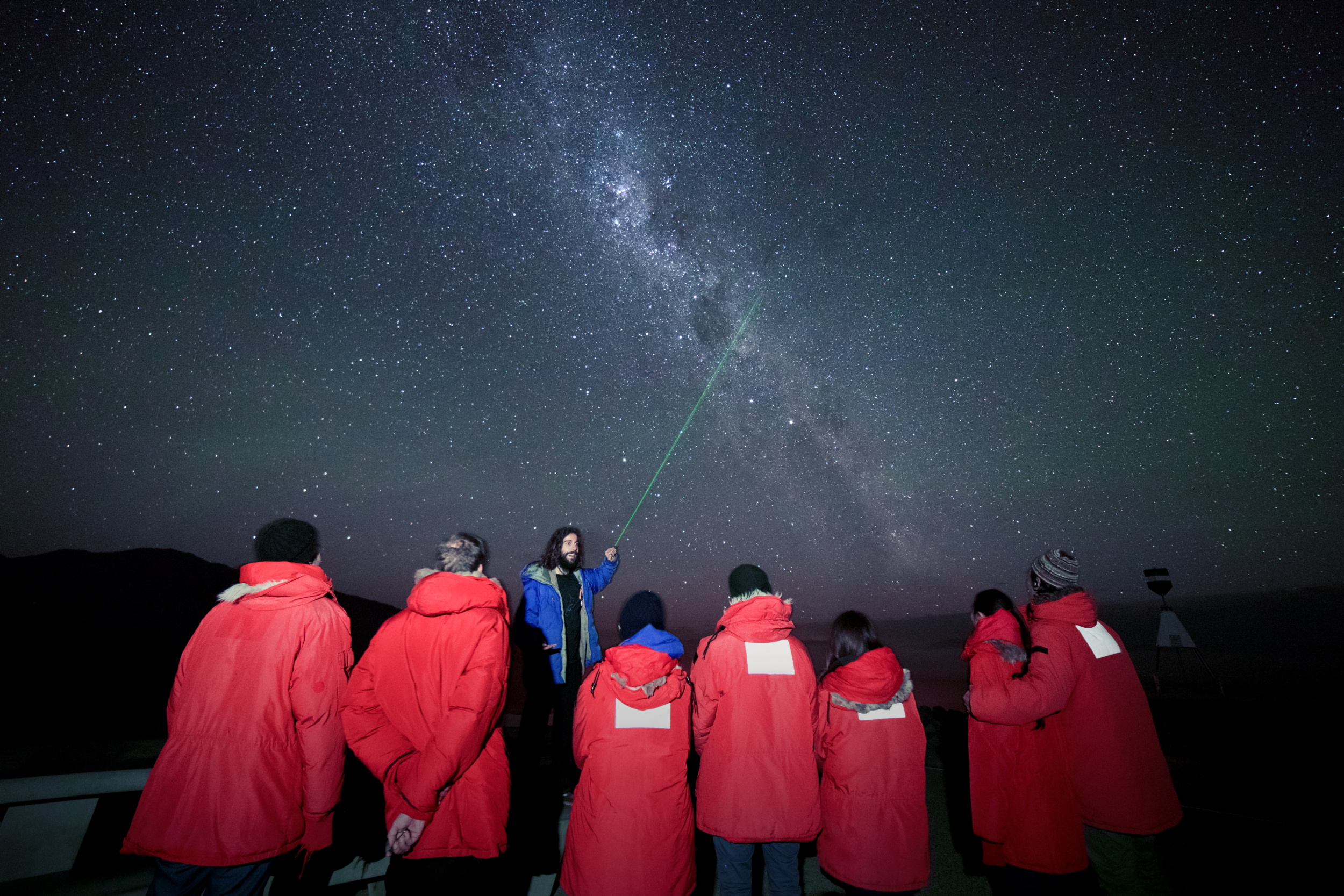
Twizel stargazing tours operate from purpose-built observation sites along Wairepo Road, where gravel pads and sheltered viewing areas lie two kilometres from the nearest streetlight. Guides work with laser pointers and portable telescopes, tracing the Southern Cross, Alpha Centauri, and the Coal Sack Nebula. The Magellanic Clouds—satellite galaxies visible only below the equator—appear as smudged patches of light above the Ben Ohau Range, while Omega Centauri, the largest globular cluster in the Milky Way, holds 10 million stars within a sphere 150 light-years across. Jupiter's Galilean moons resolve into pinpricks through 80mm refractors, and Saturn's rings tilt at angles that shift with the planet's 29-year orbit.
The reserve's designation followed a decade-long campaign by astronomer John Hearnshaw and the Mackenzie District Council, who audited every outdoor light fixture and replaced over 1,200 with downward-facing, amber-filtered units. Tourism operators now coordinate with MetService forecasts to schedule sessions on nights when jet-stream winds clear high-altitude ice crystals. Winter temperatures drop to -5°C, and guides distribute thermal blankets alongside red-filtered headlamps that preserve night vision. The Aoraki Mackenzie Dark Sky Trust operates Mount John Observatory eleven kilometres north, where the MOA telescope searches for gravitational microlensing events and exoplanet transits, contributing data to international sky surveys.
Twizel's latitude at 44 degrees south grants access to celestial objects unavailable in the Northern Hemisphere. The Large Magellanic Cloud holds the Tarantula Nebula, a star-forming region thirty times larger than Orion's and visible without magnification. Canopus, the second-brightest star in the night sky, arcs low over the horizon in summer, and the False Cross—a near-identical asterism to Crux—rises alongside it. Stargazing tour operators adjust session content by season, tracking the ecliptic path and planetary alignments. Mars opposition events, which occur every twenty-six months, bring the planet within 55 million kilometres and render its polar ice caps visible through modest telescopes. The next opposition falls in January 2025, and bookings for that window opened in mid-2024.
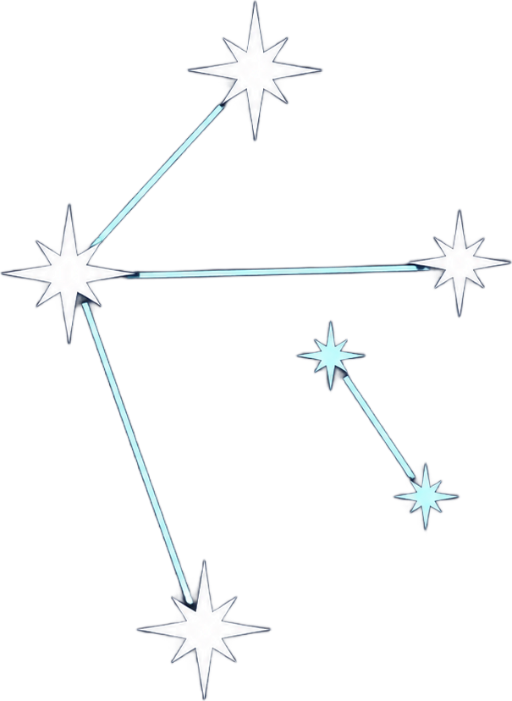
"The Milky Way's galactic core rises in winter months, spanning horizon to horizon with a clarity that photometers record at Bortle Class 2."
A step-by-step walkthrough of Twizel Stargazing tickets — what you'll see, how long each stage takes, and the details that matter.
You meet your guide at the Wairepo Road observation site thirty minutes after sunset, when the sky has deepened to indigo but Venus still glows above the western peaks.
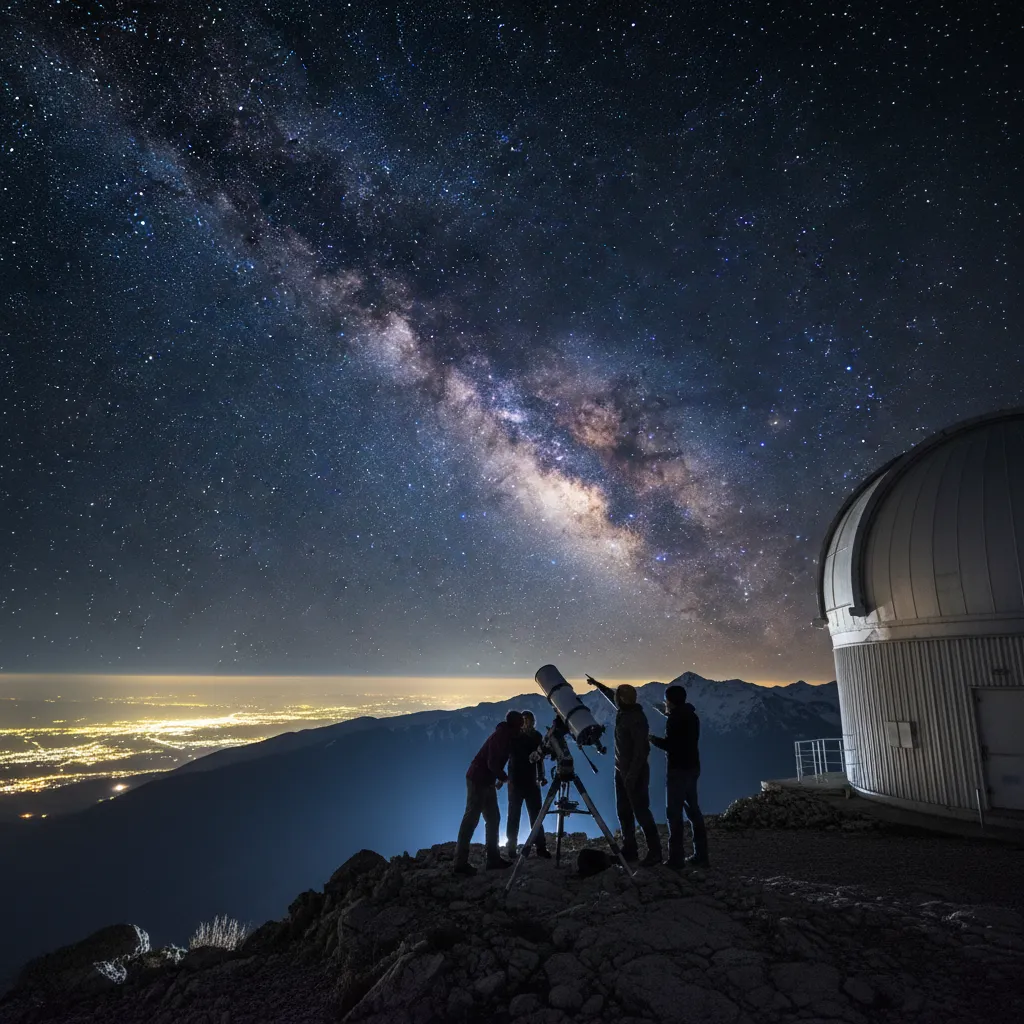
The gravel pad holds four portable telescopes on tripod mounts, and your guide distributes red-filtered headlamps so you can check your footing without flooding the area with white light. A laser pointer traces the Southern Cross, then arcs down to Alpha Centauri, two stars separated by four light-years but appearing as a single bright point to your unaided eye.
The guide trains the first telescope on Jupiter, and you step forward to peer through the eyepiece. The planet resolves into a pale disc banded with cloud belts, and four moons—Io, Europa, Ganymede, and Callisto—sit in a line like beads on a wire. The guide swings the scope toward Saturn, and the rings appear as a thin ellipse tilted at 15 degrees, with the Cassini Division visible as a dark gap. You pull on the thermal blanket as the temperature drops, and the Milky Way brightens overhead, its core dense enough that you lose count of individual stars.
The second telescope points at Omega Centauri, and the eyepiece fills with a swarm of white pinpricks compressed into a sphere. The guide explains that the cluster sits 16,000 light-years away and holds stars older than the Milky Way itself. You step back and let your eyes adjust, and the Magellanic Clouds emerge above the mountains—two smudges of light that mark galaxies 160,000 light-years distant, orbiting the Milky Way in slow spirals that will last another billion years.
Twizel stargazing is available 00:00–23:59, though tours must be booked in advance as they are weather-dependent.
Yes, the experience is family-friendly, though best for ages 6 and up; please contact the operator for younger children before booking your twizel stargazing tour.
Yes, you are encouraged to take photos of the stars during your twizel stargazing session, and complimentary digital images are often provided.
If your twizel stargazing tour is cancelled due to weather, you are entitled to a full refund or a free reschedule.
No, the operator provides high-powered telescopes for your twizel stargazing experience.
The entrance fee is 119 NZD per adult for the guided twizel stargazing experience.
The site is located at Wairepo Road, Twizel 7901, New Zealand, with check-in at the Distinction Mackenzie Country Hotel.
No, pets are not permitted at the twizel stargazing site due to the dark environment and private land restrictions.
Wear warm, layered clothing and sturdy shoes for your twizel stargazing activity, even during the summer months.